Posts

Showing posts with the label patient monitoring system

How to Choose the Best Patient Monitoring Solution for Your Needs

Image
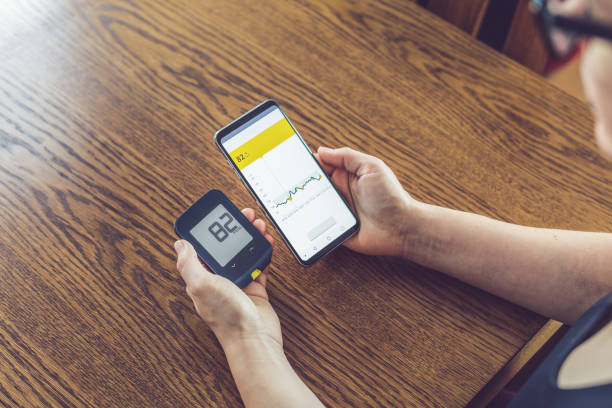
  Chronic care companies are at the forefront of transforming healthcare for individuals with long-term health conditions. By utilizing advanced patient monitoring solutions , these companies can provide personalized, continuous care that improves patient health outcomes. Through real-time monitoring, personalized care plans, and data-driven decision-making, chronic care companies offer comprehensive support to enhance the quality of life for patients. Continuous Real-Time Monitoring One of the key benefits chronic care companies offer is continuous real-time monitoring of patients' health metrics. With the use of wearable devices and remote monitoring tools, healthcare providers can track vital signs and other health parameters in real-time. This ongoing monitoring allows for early detection of potential issues, enabling timely intervention and reducing the risk of complications. Tailored Care Plans and Proactive Management Chronic care companies excel at creating personalized car...

Optimizing Elderly Care: Patient Monitoring Solutions

Image
  Geriatric patient monitoring presents a distinct set of challenges due to the unique healthcare needs of elderly individuals. As the aging population continues to grow, there is a pressing need for patient monitoring solutions specifically tailored to address the complexities of geriatric care. This article delves into the intricacies of monitoring elderly patients and explores innovative solutions to optimize their health outcomes. The Importance of Tailored Patient Monitoring Solutions Geriatric patients often present with multiple chronic conditions and age-related health issues, necessitating personalized monitoring approaches. Traditional monitoring systems may not adequately capture the nuanced health fluctuations experienced by elderly individuals. Tailored patient monitoring solutions encompass a holistic approach that considers factors such as cognitive function, mobility, and medication management. Challenges in Geriatric Patient Monitoring Monitoring elderly patients ...

Patient Monitoring: Customized Solutions for Young Patients

Image
  In the realm of pediatric healthcare, ensuring the well-being of young patients requires specialized attention and care. Pediatric patient monitoring solutions play a pivotal role in this regard, offering tailored approaches to monitoring vital signs and health parameters. Let's delve into the significance of these solutions and how they cater to the unique needs of pediatric patients. Understanding the Unique Challenges Pediatric patients present unique challenges compared to adults, including variability in vital signs, size differences, and the need for age-appropriate care. Traditional monitoring methods designed for adults may not always be suitable for children, necessitating specialized solutions that cater to their distinct physiological characteristics and requirements. Customized Monitoring Technologies Pediatric patient monitoring solutions encompass a range of technologies and devices specifically designed for young patients. These may include pediatric-sized vital s...

Addressing CCM with Home-Based Patient Monitoring Solutions

Image
  In the realm of healthcare, addressing the challenges of chronic disease management has long been a priority. With the advent of advanced technology, particularly patient monitoring solutions , managing chronic conditions has become more efficient and effective. This article delves into the transformative role of home-based patient monitoring solutions in revolutionizing chronic disease management. Understanding Chronic Disease Management Chronic diseases, such as diabetes, hypertension, and heart disease, require ongoing management to prevent complications and improve quality of life. Traditionally, patients visited healthcare facilities for periodic check-ups and monitoring. However, this approach often lacked real-time insights into a patient's condition, leading to delayed interventions and suboptimal outcomes. The Evolution of Home-Based Monitoring Solutions Home-based patient monitoring solutions leverage technology to empower individuals to manage their chronic conditions ...

Integrating Artificial Intelligence into Patient Monitoring

Image
  In the ever-evolving landscape of healthcare, advancements in technology are continuously shaping the way patient care is delivered. One such groundbreaking innovation is the integration of Artificial Intelligence (AI) into patient monitoring solutions. This integration is revolutionizing healthcare delivery by enhancing efficiency, accuracy, and patient outcomes. Today, we delve into the transformative potential of AI-powered patient monitoring solutions . Understanding Patient Monitoring Solutions Patient monitoring solutions encompass a range of technologies and systems designed to monitor and track patients' health status in real-time. These solutions play a critical role in healthcare settings, providing clinicians with valuable insights into patients' vital signs, physiological parameters, and overall well-being. Traditional Challenges Traditional patient monitoring methods often rely on manual observation and periodic measurements, leading to delays in detecting change...

Real-Time Data Analytics: Transforming Patient Monitoring

Image
  In the realm of healthcare, real-time data analytics has emerged as a game-changer, revolutionizing patient monitoring solutions and clinical decision-making processes. Leveraging advanced technologies, healthcare providers can now harness vast amounts of data generated by patients in real-time, enabling proactive interventions and personalized care. Let's delve into how real-time data analytics is transforming patient monitoring solutions and shaping the future of healthcare delivery Understanding Patient Monitoring Solutions Patient monitoring solutions encompass a spectrum of technologies and systems designed to track, record, and analyze patients' health parameters and vital signs. Traditionally, these solutions relied on periodic measurements and manual documentation, limiting the ability to detect subtle changes in patients' conditions. However, with the integration of real-time data analytics, healthcare providers can access continuous streams of data, allowing fo...

Harnessing the Power of IoT for Seamless Patient Monitoring

Image
  In the realm of healthcare innovation, the Internet of Things (IoT) has emerged as a transformative force, revolutionizing patient monitoring solutions . With its interconnected network of devices and sensors, IoT technology has paved the way for a new era of patient care, offering unprecedented opportunities for remote monitoring, real-time data collection, and personalized interventions.  As we delve into the profound impact of IoT on healthcare, the focus sharpens on its role in enhancing patient monitoring solutions. Through the seamless integration of IoT devices and systems, healthcare providers can now monitor patients' health status with greater accuracy, efficiency, and accessibility, ushering in a paradigm shift in patient care delivery. Understanding IoT in Healthcare Defining IoT IoT, or the Internet of Things, refers to the interconnected network of devices and sensors that collect and exchange data over the internet. In healthcare, IoT enables the seamless inte...

Remote Patient Monitoring: Enhancing Access to Healthcare

Image
  In today's rapidly evolving healthcare landscape, patient monitoring solutions play a pivotal role in ensuring the delivery of timely and effective medical care. Among these advancements, remote patient monitoring stands out as a transformative technology, offering unprecedented opportunities to bridge gaps in access to healthcare. In this article, we explore the impact of remote patient monitoring on healthcare accessibility and the challenges and benefits associated with its implementation. The Importance of Remote Patient Monitoring 1. Addressing Geographical Barriers Remote patient monitoring enables healthcare providers to monitor patients' vital signs and health parameters from a distance, overcoming geographical barriers that may limit access to healthcare services. This is particularly beneficial for patients residing in rural or underserved areas, where access to specialized medical facilities may be limited. By facilitating virtual consultations and continuous moni...